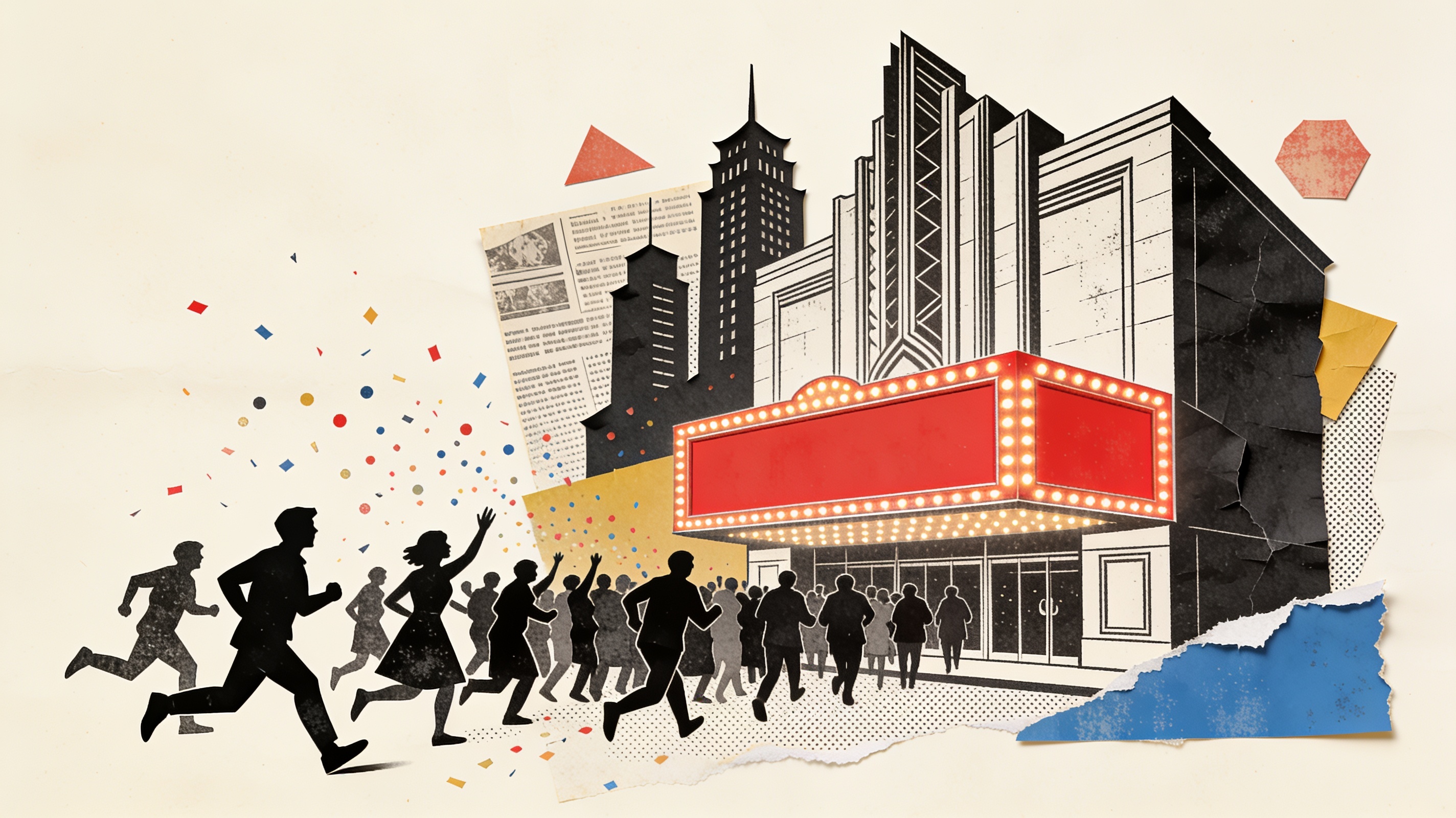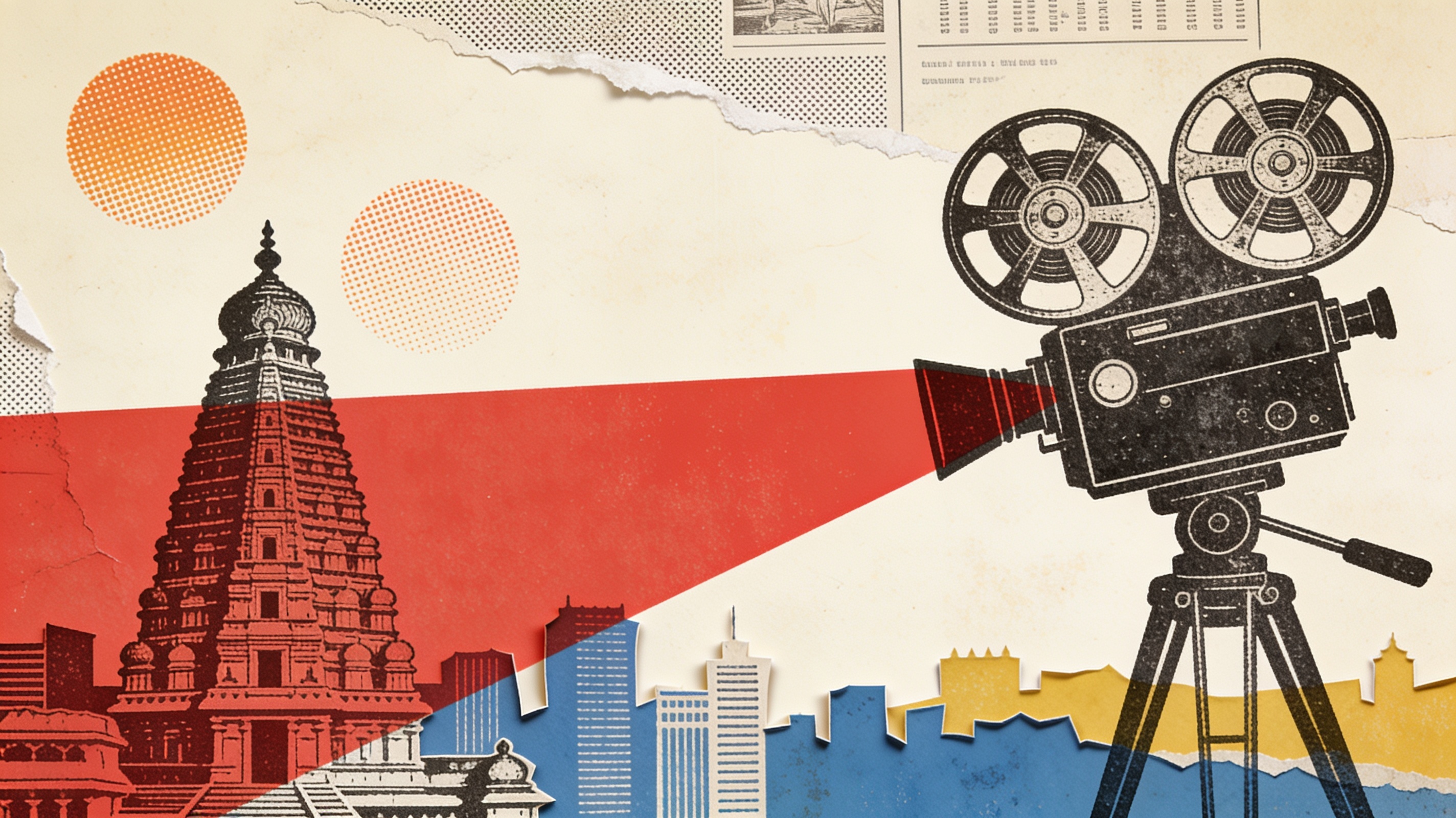
There is a number that Mumbai’s film establishment does not say out loud at parties: of the ten highest-grossing Indian films of the past five years, seven were shot primarily in Telugu or Tamil. The hindi versions were the dubs.
This was supposed to be a phase. The trade press called it the “pan-India wave,” a label that quietly assumed the wave would recede and the ocean would return to Bandra. Instead, the wave became the sea level.
How the south built the machine
The southern industries did not get lucky; they got structural. While Mumbai spent two decades optimising for multiplex audiences in a dozen cities and NRI screens abroad, Hyderabad and Chennai kept faith with the single-screen mass audience — and built the physical infrastructure to serve it. Ramoji Film City became the largest production facility on earth. Telugu producers pioneered the financing model that treats a film as a national event staged in five languages simultaneously.
The result is an industrial asymmetry: a Hyderabad production can open on eight thousand screens in four language markets on the same Friday. A Hindi film opens in Hindi.
Mumbai optimised for the multiplex. The south never stopped making films for everyone else.
What Mumbai is learning
The response has been half imitation, half integration. Mumbai studios now co-produce with southern banners as a matter of survival, and the most interesting credits in Indian cinema belong to the technicians who move fluidly between industries — cinematographers from Kochi shooting Hindi thrillers, action units from Hyderabad choreographing Mumbai franchises, composers who deliver albums in four languages before lunch.
Streaming has accelerated the merge. On the platforms, a viewer in Indore does not choose an industry; she chooses a thumbnail. Language, the original moat around Bollywood, has become a dubbing checkbox.
The new map
The honest way to describe Indian cinema now is not one industry with satellites, but a federation with rotating capitals. Malayalam cinema owns prestige. Tamil owns craft. Telugu owns scale. Hindi still owns celebrity — the paparazzi economy has not relocated — but celebrity, it turns out, was never the same thing as audience.
The centre of gravity has moved south. The more interesting question is whether it will keep moving — to the writers’ rooms, the festival circuits, and the small towns where the next wave is already buying tickets.