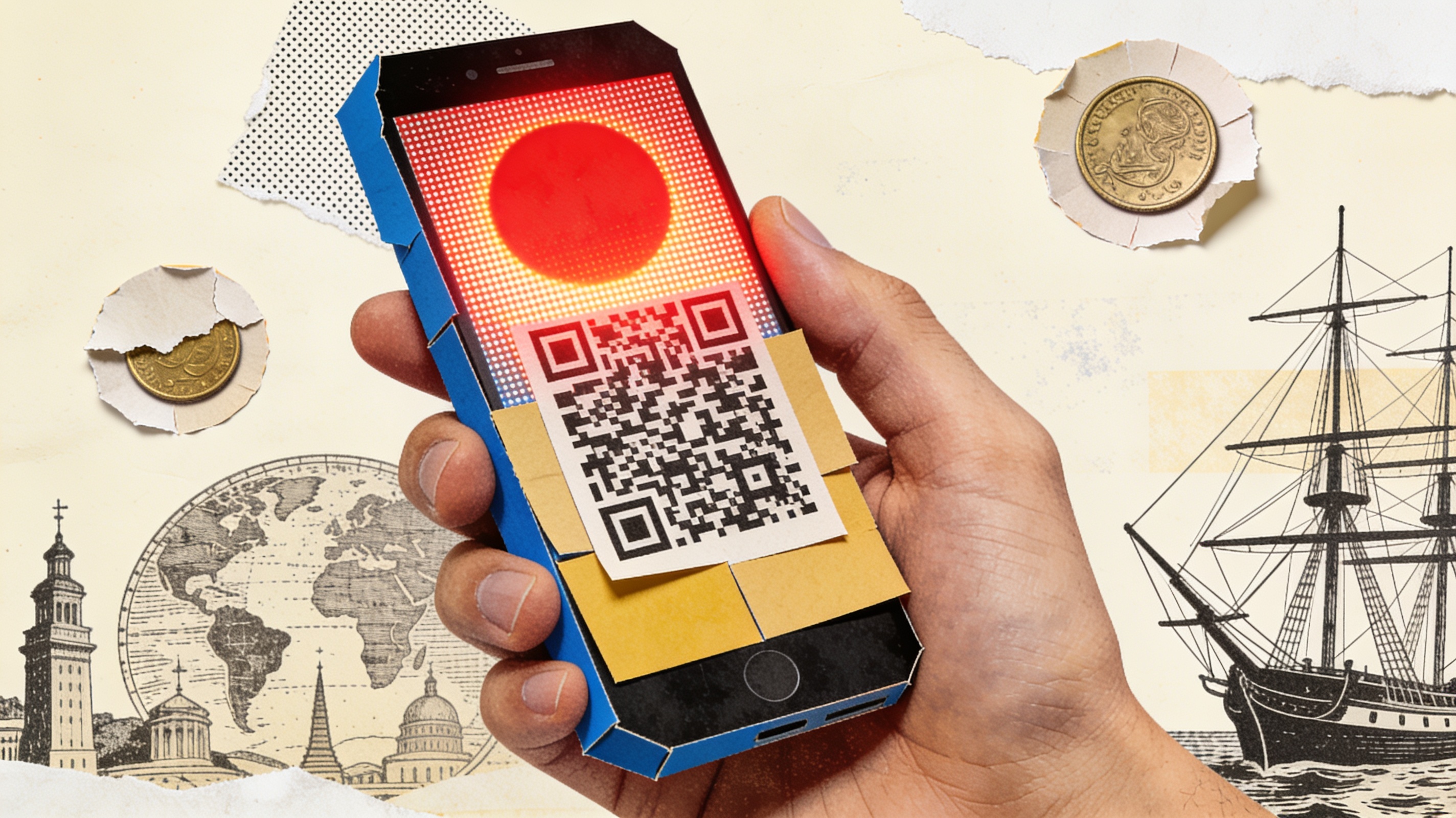
There is a shop in Paris, near the Gare du Nord, where you can buy a croissant by scanning a QR code with an Indian phone. The transaction settles in seconds, routes through Mumbai, and costs the shopkeeper less than the card machine gathering dust beside the till. Nobody involved thinks of it as geopolitics. That is precisely why it works.
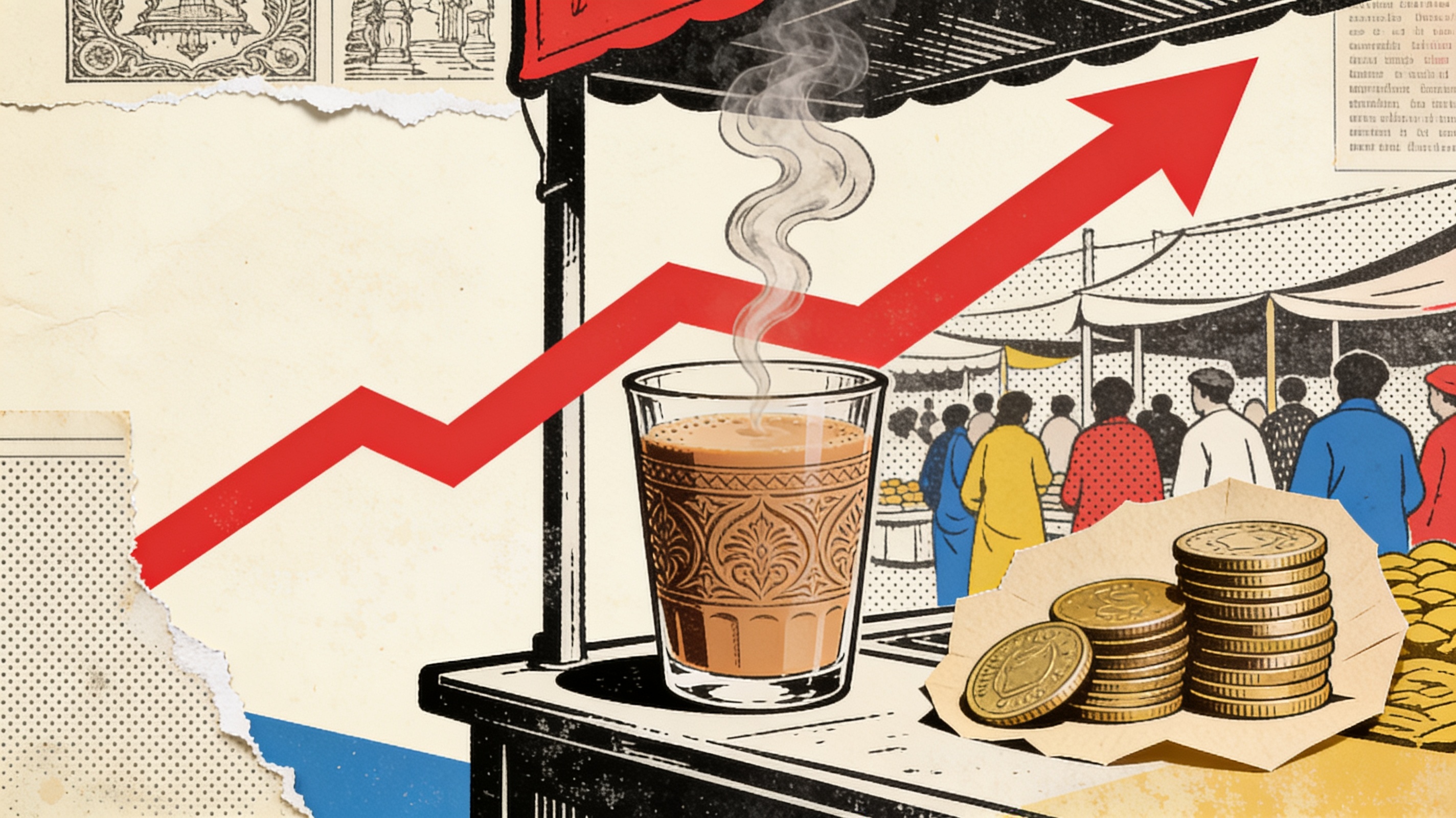
A decade after the Unified Payments Interface made cash optional at every chai tapri and sabzi mandi in the country, the rail has crossed the water. Fourteen countries now accept UPI in some form. Seven run domestic clones built on India’s open-source stack. The National Payments Corporation of India, a nonprofit that most Indians could not name, has become one of the most consequential financial institutions in the Global South.
The export nobody planned
The genius of UPI abroad is that it does not ask anyone to adopt an Indian product. It asks them to adopt an Indian idea: that payment infrastructure should be public plumbing, not a private toll road. For finance ministries in Colombo, Windhoek, and Lima, that pitch lands differently than anything Visa or a Silicon Valley wallet can offer.
Card networks sell access. India is giving away the blueprint — and keeping the influence.
Officials involved in the rollouts describe a pattern. A country signs a memorandum for remittances — the unglamorous, high-volume corridor where Indian workers send money home. Then the local central bank asks about the stack itself. Then, a year later, a domestic version launches with a local name and Indian architecture underneath.
What the numbers say
Cross-border UPI volumes remain a rounding error next to the fourteen billion transactions processed at home every month. But the curve is the story: international volume has doubled every year for three years, and remittance fees on live corridors have fallen by more than half. For a country that receives more remittances than any other on earth, that is not a pilot project. That is plumbing for the national balance sheet.
The harder questions
Success abroad imports new risks. Every country running Indian rails is a country whose payment outages become India’s diplomatic problem. Privacy advocates note that interoperability agreements move metadata across borders faster than data-protection law has moved anywhere. And the quiet contest with China’s digital yuan project — never named in press releases, always present in the room — means every launch is read in two capitals.
The people who built UPI talk about it the way engineers talk about bridges, not empires. But the bridge now has fourteen lanes leaving the country, and the traffic is only going one way: out.