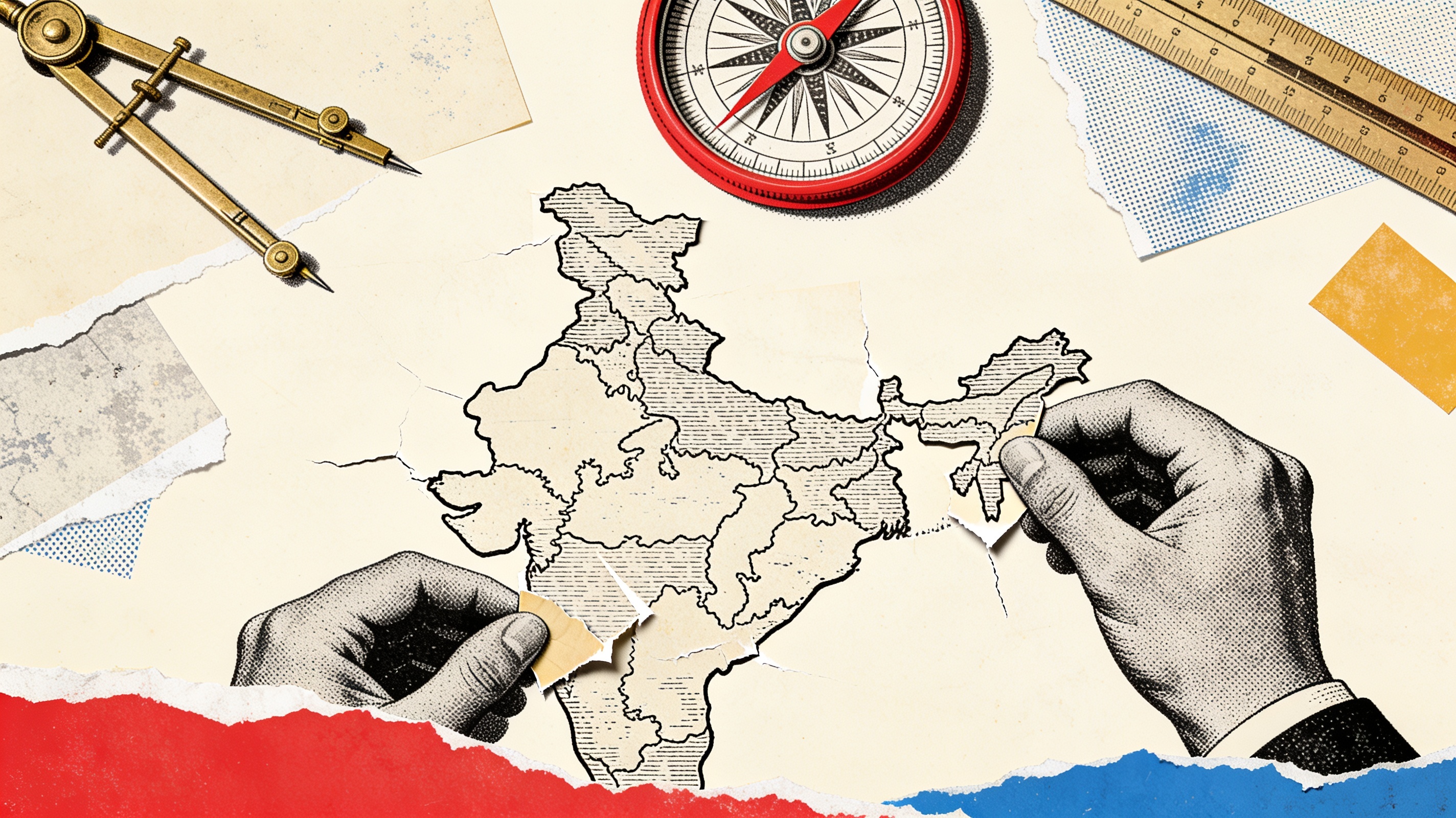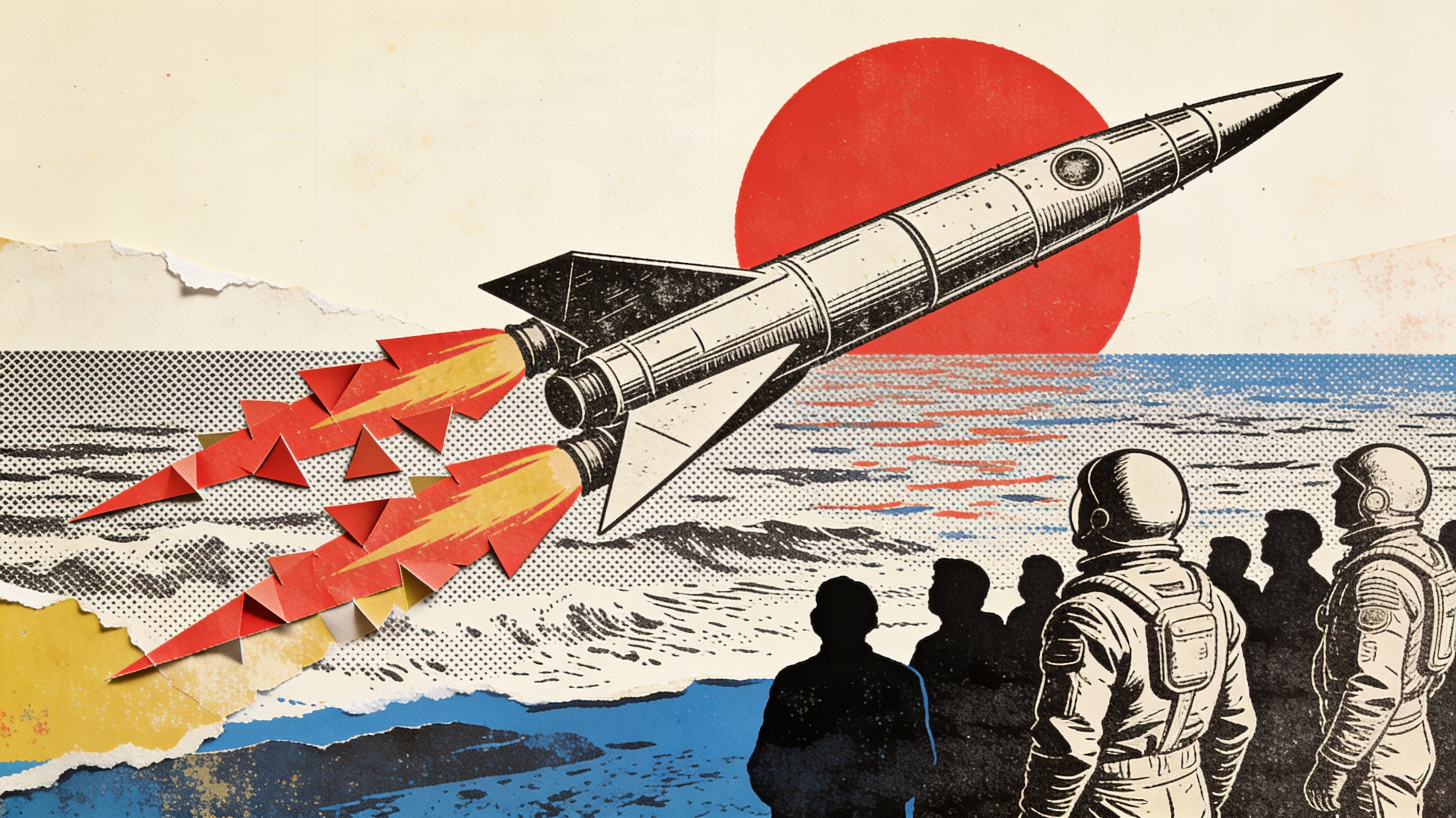
There is a room in Bengaluru where three Indian Air Force pilots spend their days rehearsing an eleven-minute journey they have not yet taken. They practise it in a centrifuge, in a pool, in a capsule mock-up, and in their sleep. Between them they have flown everything the country owns with wings. None of it, they will tell you cheerfully, is preparation for sitting on top of it.
Gaganyaan — India’s first crewed spaceflight — has slipped its dates the way every human spaceflight programme in history has slipped its dates. What it has not done is slip its meaning.
Why crewed is different
ISRO’s reputation was built on a paradox: interplanetary ambition at municipal budgets. Chandrayaan reached the lunar south pole for less than the cost of a metro line extension. But robotic missions tolerate risk that human ones cannot. A lander can fail and teach you something. A crew cannot.
The engineering gap is not the rocket — the human-rated launch vehicle has flown clean repeatedly. It is everything wrapped around it: the escape system that must outrun an exploding booster, the environmental loop that must keep three humans alive on recycled air, the recovery flotilla that must find a capsule in the Arabian Sea within minutes. Each system has been tested in isolation. The countdown that matters is the one where they must all work at once.
Robotic missions forgive. Crewed missions only remember.
The quiet infrastructure
The programme’s less-photographed legacy is already operational. A human spaceflight centre that did not exist a decade ago. An astronaut-training pipeline that no longer routes through Russia. Biomedical labs, crew-systems vendors, and a supplier ecosystem of several hundred Indian firms that now hold human-rating certifications — the industrial base not for one mission but for a permanent capability, including the space station India has pencilled into the 2030s.
What it is for
The criticism writes itself, and has since Sputnik: why orbit, when the ground has needs? The answer the programme’s veterans give is unsentimental. Every rupee spent has stayed on Earth — in salaries, factories, and the compounding skill of doing very hard things domestically. The capsule is the receipt, not the product.
But stand at Sriharikota when a test vehicle climbs off the pad, watch the fishing boats pause offshore as the sound arrives, and the unsentimental answer feels incomplete. Three names, eleven minutes, four hundred kilometres up. Some receipts a country frames.