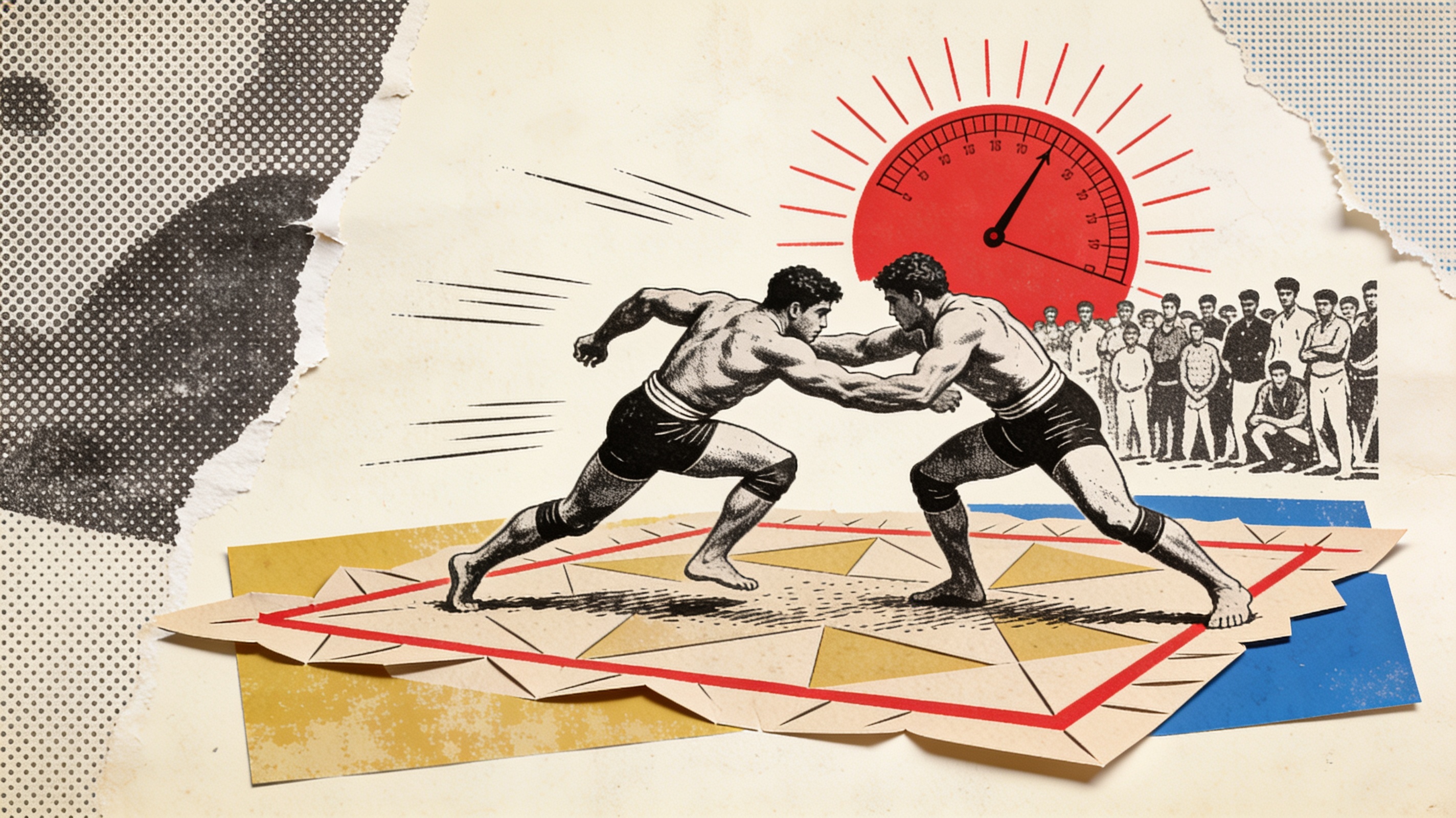
On the western edge of Ahmedabad, a sports enclave the size of a small town is rising in concrete and render: the world’s largest cricket stadium already at its centre, an aquatics complex, a velodrome, athlete housing gridded out to the horizon. Officially, it is urban infrastructure. Unofficially, everyone from the auto drivers to the IOC has read the drawings correctly. It is an audition.
India’s bid for the 2036 Olympic Games is the most ambitious thing its sporting establishment has ever attempted, and the most revealing.
What the bid is really bidding for
No country bids for the Olympics to host sport. The Games are a certification exercise — proof that a nation can deliver mega-projects on deadline, move millions safely, and stand global scrutiny for a month. Tokyo 1964, Seoul 1988, and Beijing 2008 were coming-out parties for economies that had already arrived but wanted the world to say so out loud.
That is precisely the sentence Indian officials use in private. The country that runs the world’s largest elections and vaccinated a billion people wants the remaining certification: the one with rings on it.
The athlete-shaped hole
The awkward gap in the audition is the medal table. India’s Olympic haul has climbed from single digits to the twenties, powered by shooting, wrestling, badminton, javelin, and hockey’s revival — but a host nation is expected to perform, and the current pipeline would look thin against a home crowd’s hopes.
Hence the quieter half of the project: a decade-long athlete programme scouting ten-year-olds across five hundred districts, funded like a space mission and run with franchise-cricket professionalism. The 2036 medallists, its planners note, are currently in primary school.
The stadiums are the easy part. A home Games is a promise that the podium will not be borrowed.
The ghosts in the room
Every Indian of a certain age carries the memory of 2010 — a Commonwealth Games remembered less for sport than for scandal. The bid team knows its real opponent is not Doha or Istanbul but that memory, and the global archive of Olympic white elephants from Athens to Rio.
Their counterargument is the enclave itself: built early, used daily — the aquatics centre already hosts state meets, the housing pre-sold as ordinary flats. Whether that discipline survives the decade between audition and opening ceremony is the actual competition.
Seventeen days of sport. Ten years of proving. The flame, as ever, is the smallest part of the fire.