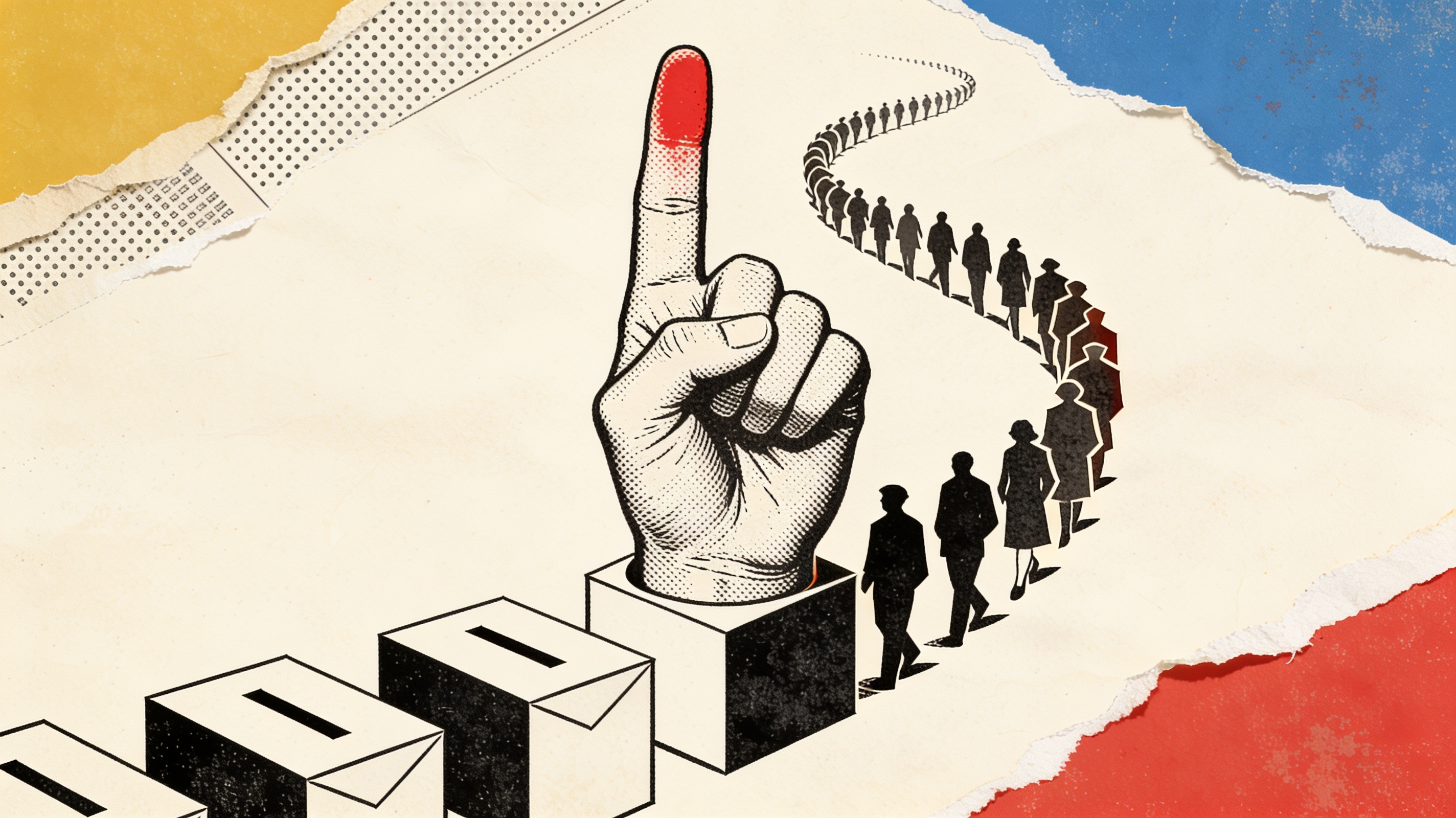
Somewhere in India, right now, someone is campaigning. A panchayat by-poll in Telangana, a municipal contest in Indore, an assembly election warming up in the northeast — the world’s largest democracy has arranged itself so that the music never entirely stops. India holds roughly one significant election every year, and the machinery of the Model Code of Conduct freezes some part of the country’s governance almost as often.
Whether this is democracy’s heartbeat or its arrhythmia is now the most consequential design argument in Indian politics.
The case for one big day
The synchronisation argument is, at its core, an efficiency argument. Simultaneous elections — the Lok Sabha and all state assemblies on one calendar — would mean one voters’ roll, one security deployment, one span of code-of-conduct paralysis instead of a rolling dozen. Supporters point to the early republic, which ran synchronised polls until the cycle shattered in the late 1960s, and to estimates that perpetual campaigning costs the exchequer and the economy tens of thousands of crores each cycle.
The subtler argument is behavioural: a government that faces no election for five years, the reasoning goes, might actually govern for five years, rather than lurching between announcements timed to whichever state votes next.
A permanent campaign produces permanent candidates. The question is whether it also prevents permanent governance.
The case for the mess
The opposition to synchronisation is not nostalgia; it is federal arithmetic. State elections held on their own calendars are decided on state questions — water, jobs, local leadership. Fold them into a national wave, and evidence from every election where the cycles have coincided suggests the national question swallows the local one. For regional parties, that is not an inconvenience. It is an existential threat, and they say so in constitutional language: the states are not subsidiaries voting on the parent company’s schedule.
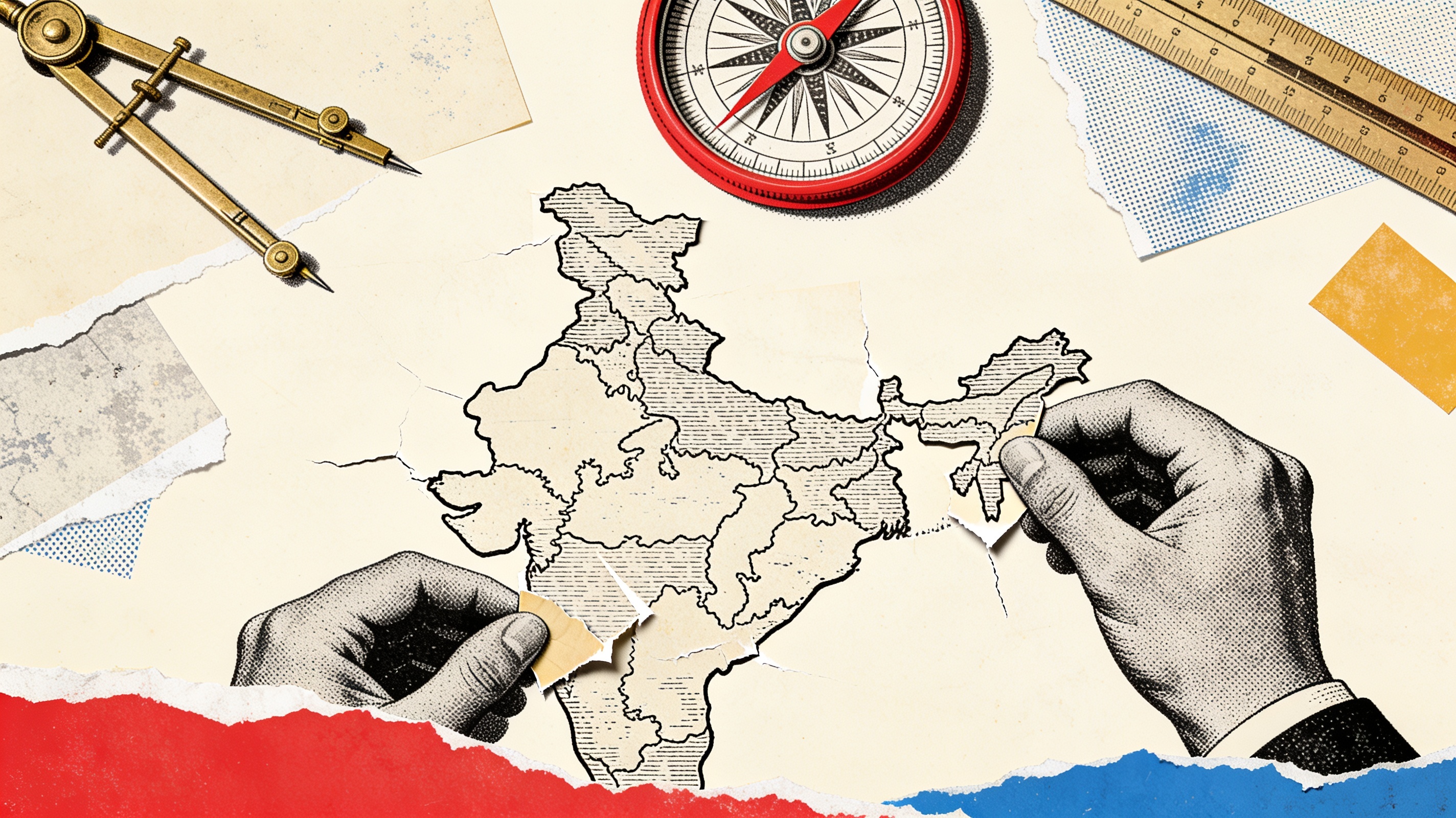
There is also the brute practicality. Synchronisation requires that assemblies dissolved early or governments fallen mid-term somehow rejoin the master calendar — which means curtailing or extending elected terms, which means amending the constitution’s most sensitive clockwork.
Where it lands
The committee reports have been filed, the bills drafted, the select committees convened. What remains is the oldest Indian political question: not whether the design is elegant, but who bears its cost. The likeliest outcome, veterans of constitutional reform suggest, is Indian in the deepest sense — a phased half-synchronisation, adopted slowly, argued about forever.
The music, in other words, will keep playing. The argument is about the tempo.