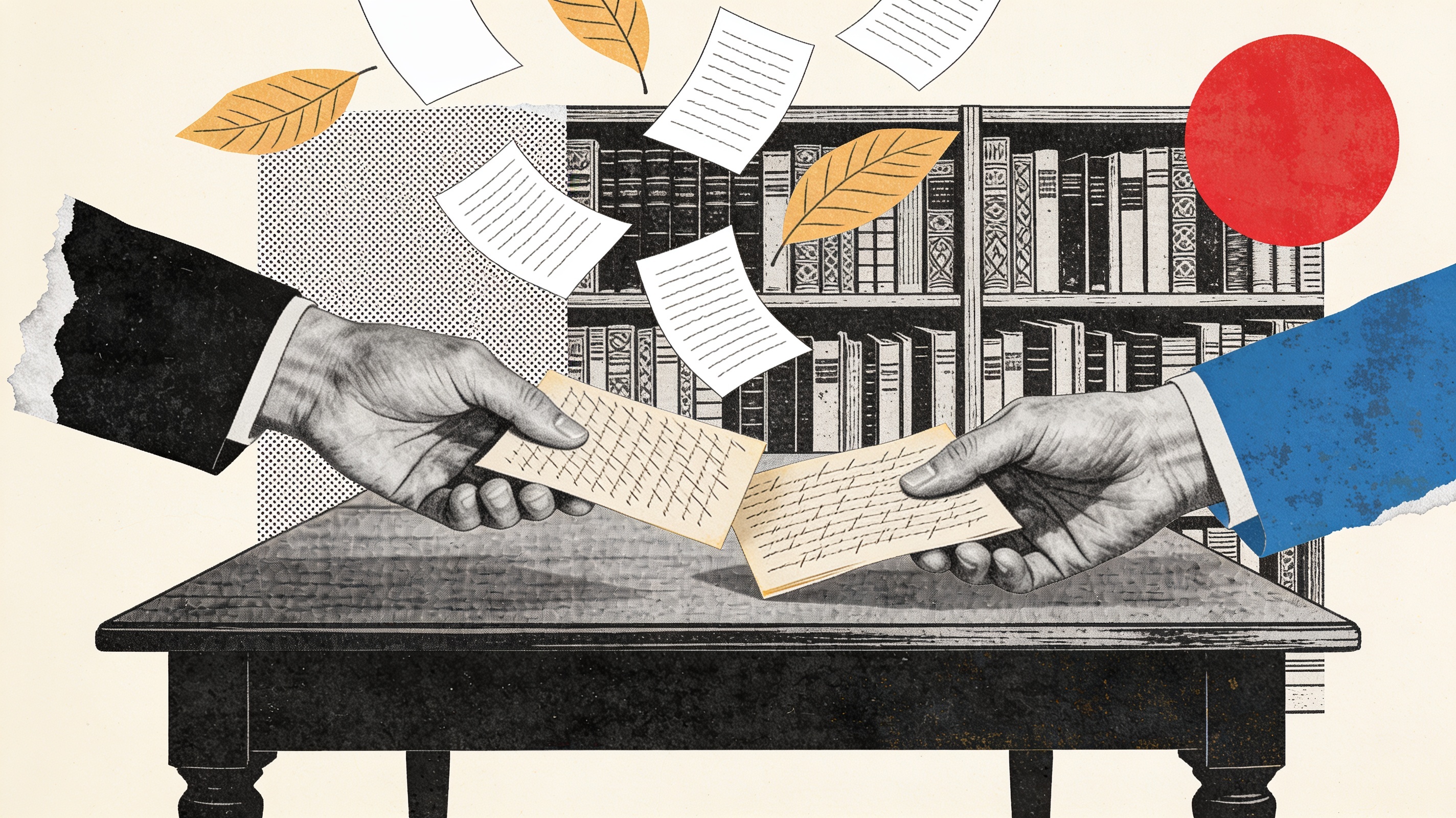
There are four people alive who can fluently read Tigalari, the script in which much of coastal Karnataka’s Sanskrit scholarship was written for five centuries. The youngest is seventy-one. In a room at a Udupi mutt, one of them sits beside a scanning cradle and a research fellow half a century his junior, reading palm leaves aloud while software learns the shapes of his sentences.
They are, in the most literal sense, racing funerals.
Sixty ways of writing
India’s linguistic diversity is famous; its graphic diversity is barely mapped. The subcontinent has written in more than sixty scripts — Modi, in which Maratha administration ran for three hundred years; Sharada, the classical hand of Kashmir; Meitei Mayek, banned and revived; Granth, Tigalari, Landa, Takri, and dozens more. Behind each stands an archive: land records, medical treatises, poetry, kitchen accounts — the unglamorous sediment in which actual history survives.
By conservative estimates, tens of millions of manuscript folios sit in mutts, madrasas, jain bhandars, and family trunks, written in scripts that fewer than a hundred living people can read. The paper is acidifying. The palm leaves are being eaten. The readers are dying.
A language can survive its speakers on a recording. A script that loses its last reader becomes decoration.
The digitisation sprint
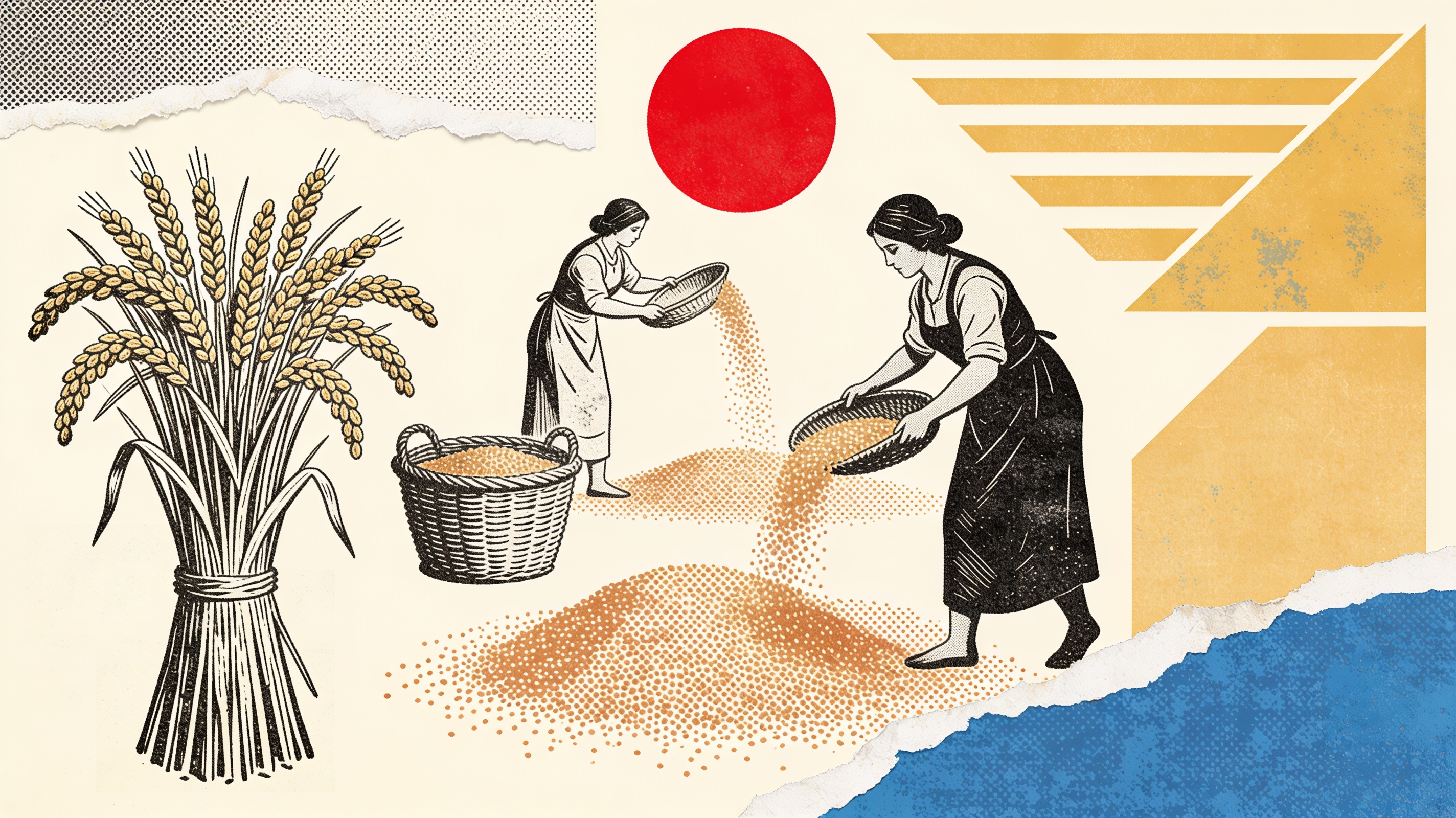
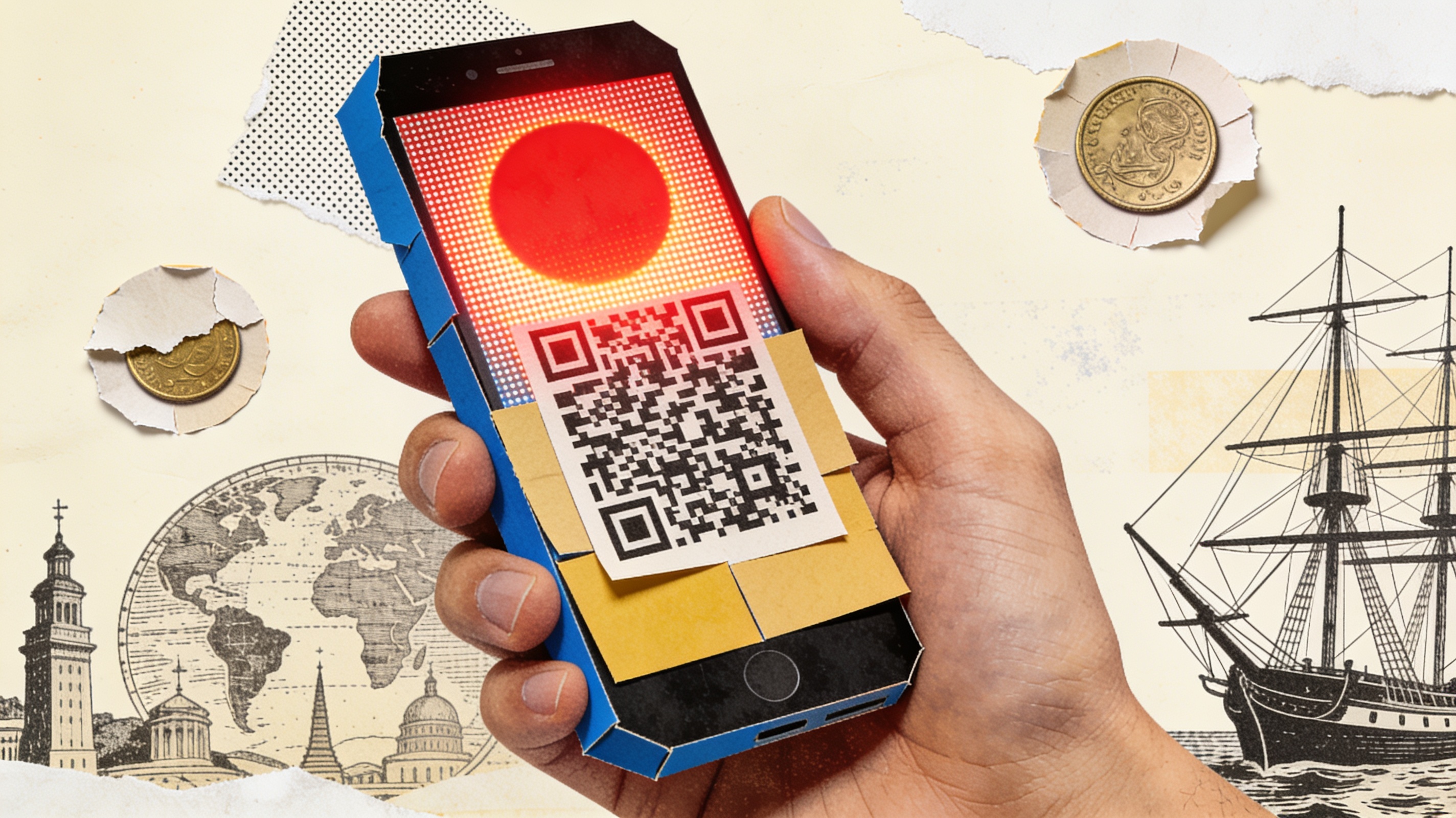
The response has become one of the quiet triumphs of Indian digital-heritage work. National manuscript missions fund scanning cradles in district archives. University labs have trained handwriting-recognition models for a dozen endangered scripts, bootstrapped exactly like the session in Udupi — an elder reads, a model listens, and each transcribed folio makes the next one cheaper. Crowdsourcing platforms let diaspora volunteers proofread transliterations on their phone commutes.
The output compounds strangely and wonderfully. Modi-script land records, once readable by a handful of Pune archivists, are now searchable — and have begun surfacing in property litigation. Ayurvedic manuscripts in Sharada are being mined by pharmacology researchers. History PhDs are being rewritten because the sediment became legible.
What is actually being saved
The archivists are clear-eyed that digitisation is triage, not resurrection. A script lives when children write love notes in it, and no scanner produces that. But triage buys time, and time occasionally buys miracles: Meitei Mayek returned from near-extinction to Manipur’s school curriculum within two generations.
In Udupi, the old reader finishes a folio and taps the cradle impatiently. Four readers left. The model makes five — and this one, the fellow points out, does not age.